

Understanding the Daily Travel Patterns of Whitetail Deer
Whitetail deer are one of the most studied and hunted game animals in North America. For hunting enthusiasts, understanding how far a whitetail deer travels each day can make the difference between a successful hunt and a missed opportunity. This post explores the daily movement habits of whitetail deer, shedding light on their travel distances, reasons behind their movements, and how hunters can use this knowledge to their advantage.

How Far Do Whitetail Deer Travel Each Day?
The distance a whitetail deer travels daily varies widely depending on several factors such as season, food availability, weather, and human disturbance. On average, whitetail deer travel between 1 to 5 miles (1.6 to 8 kilometers) per day. However, this range can expand during certain periods:
Rut season: Bucks increase their travel significantly, sometimes covering up to 10 miles (16 km) in search of does.
Winter: Deer may reduce their movement to conserve energy, often staying within a smaller home range.
Spring and Summer: Movements are moderate as deer focus on feeding and raising fawns.
These distances reflect the typical daily travel from bedding areas to feeding grounds and back.
Factors Influencing Daily Travel Patterns of Whitetail Deer
Understanding what drives daily travel patterns of whitetail deer travel helps hunters predict their movement patterns.
Food Sources
Whitetail deer travel daily to find food. Their diet includes leaves, twigs, fruits, nuts, and agricultural crops. When food is abundant nearby, deer travel shorter distances. In contrast, scarce food forces them to cover more ground.
Bedding and Cover
Deer prefer to bed in areas that provide safety from predators and harsh weather. They travel from these bedding spots to feeding areas, often choosing routes that offer cover like thick brush or tree lines.
Seasonal Changes
Fall (Rut): Bucks roam widely to find mates, increasing their travel distances.
Winter: Deer conserve energy by limiting movement and staying near food sources.
Spring and Summer: Movements focus on fawn care and feeding.
Human Activity
Hunting pressure, urban development, and road traffic can alter whitetail deer travel. Deer tend to avoid heavily disturbed areas, which may force them to travel longer distances to find safe feeding and bedding spots.
Whitetail Deer Habits That Affect Travel
Whitetail deer have specific habits that influence how and when they move.
Crepuscular activity: Deer are most active at dawn and dusk, traveling between bedding and feeding areas during these times.
Home range loyalty: Deer usually stay within a defined home range but may shift it seasonally.
Trail use: Deer often use established trails to move efficiently between key locations.
Hunters who understand these habits can better predict deer travel routes and times.

Practical Tips for Hunters Based on Deer Travel Patterns
Knowing how far and why whitetail deer travel daily can help hunters plan their strategies.
Scout bedding and feeding areas: Identify where deer rest and feed to anticipate their travel routes.
Set up near travel corridors: Trails connecting bedding and feeding spots are prime locations for stands or blinds.
Time your hunt for peak movement: Focus on early morning and late afternoon when deer are most active.
Adjust for season: During the rut, expect bucks to cover more ground; in winter, focus on smaller, concentrated areas.
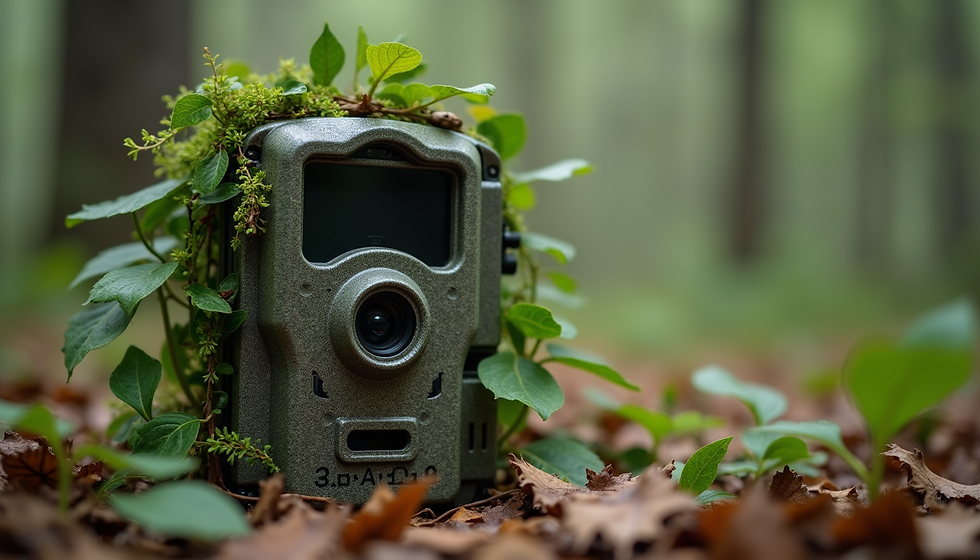
Use trail cameras: Monitor deer movement patterns to confirm travel distances and routes on your property.
Summary
Whitetail deer typically travel between 1 and 5 miles daily, with variations depending on season, food availability, and human activity. Their travel is driven by the need to move between bedding and feeding areas, with increased movement during the rut and reduced travel in winter. Understanding these patterns and habits allows hunters to predict where deer will be and when, improving the chances of a successful hunt.
By observing local conditions and using tools like trail cameras, hunters can gain valuable insights into whitetail deer travel. This knowledge supports smarter planning and more effective hunting strategies. Next time you prepare for a hunt, consider how far the deer are likely to travel and position yourself where their paths cross.
Happy hunting!


Comments